There is a particular week in late October when the clocks go back and the day seems to fold in on itself. You leave the office in the dark, the kitchen light is on by four, and something in your energy quietly dips. That is not a character flaw. Less daylight, more time indoors and a change in routine affect how most of us sleep, eat and feel. What follows is a workable checklist for the UK winter — light first, then movement, food, company and rest — built around things you can start this week rather than a grand plan for January.
Let There Be Light — Preferably Early
Light is the strongest signal your body has for knowing what time it is. Fading daylight in December confuses that signal, which is why so many people feel sluggish and foggy rather than simply sad.
The cheapest fix is daylight, and as much of it as you can get close to waking. Even a grey, wet morning outdoors is considerably brighter than a well-lit living room. Fifteen minutes in the garden, on a balcony or on the walk to the bus stop counts. If you work from home, move your desk nearer a window and open the blind fully. Eat lunch by the brightest window you have.
- Aim to be outside within an hour of getting up, even briefly.
- Give yourself a reason to go out mid-morning or at lunch, when light is strongest.
- Keep indoor lights low and warm in the evening so your body still gets a clear signal that the day is over.
- Make use of bright, cool light in the morning — a bright kitchen or a desk lamp — and dim things from around 9pm.
Some people find a light therapy lamp helpful for winter low mood. They are widely sold, but they are not a casual purchase: if your mood is significantly affected each winter, talk to your GP before spending money, and ask about whether your symptoms might need looking at properly. UK guidance also suggests most people consider a daily vitamin D supplement of around 10 micrograms through the autumn and winter months. Check with a pharmacist or GP if you take other medication or have a health condition.
Move Before You Feel Like It
Waiting for the motivation to exercise in February is a losing game. Motivation tends to arrive after you start, not before, so lower the entry point until it is almost embarrassing.
The ten-minute rule works well: put your shoes on and go out for ten minutes. If it is miserable, turn around. It rarely is. A brisk walk at lunchtime delivers both movement and daylight, which is efficient when the days are short. If the weather defeats you, indoor options that need no equipment — stairs, a stretch routine, dancing in the kitchen, a yoga video — still count.
Make it easier to say yes
Keep a waterproof coat and decent shoes by the front door. Text a friend and agree to walk together on a set evening, because a commitment to another person beats a commitment to yourself. Treat cold-weather gear as equipment rather than an expense, and remember that most British winter rain is survivable in the right jacket.
Eat for Steady Energy, Not a Sugar Spike
Winter eating tends to drift towards beige comfort food, and there is nothing wrong with that in moderation. The problem is the cycle: a quick carbohydrate hit, a slump an hour later, more coffee, worse sleep.
Build your meals around something that keeps you steady. Porridge with nuts and fruit, or eggs on toast, is a better start to a dark morning than a pastry. At lunch, pair soup with beans, lentils or leftover roast vegetables rather than just bread. Keep fruit, nuts or yoghurt within reach so the afternoon decision is an easy one. Drink more than you think you need — thirst signals are weaker in cold weather, and tea, squash and water all count. Alcohol is worth watching: it may help you drop off, but it tends to fragment sleep later in the night, which makes the next dark morning harder.
Book the Company In
Summer socialising happens by accident; winter socialising has to be arranged. Gardens, parks and doorsteps stop being natural meeting places, and it is easy to reach February and realise you have barely seen anyone.
Put recurring things in the diary rather than one-off plans. A fortnightly walk. A Sunday phone call while you cook. A standing coffee before work. If you have been meaning to contact someone, send the message now and suggest a specific day — vague intentions rarely survive a wet Tuesday. Feeling flat and withdrawn in winter is common, and reaching out is not neediness; it is maintenance.
Protect One Steady Rhythm
Your body clock likes repetition, and winter gives it very little. Anchoring your wake time is the most useful thing you can do, even at weekends. Get up, get light, and let the rest follow.
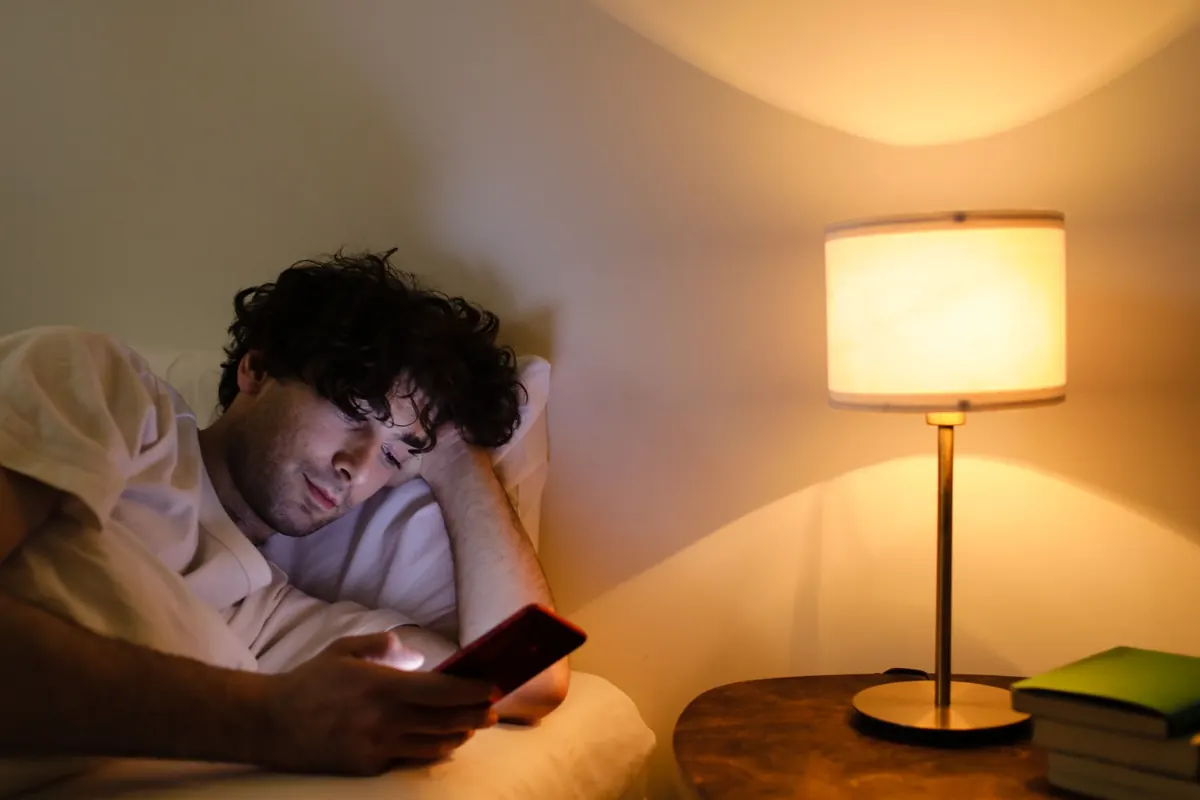
In the evening, give yourself a wind-down that does not involve a screen in bed. Dim the lamps, put your phone across the room, and keep the bedroom cool. If you are lying awake, a warm shower or bath an hour before bed can help. Struggling to sleep for weeks on end is worth mentioning to your GP rather than battling through.
Your Simple Winter Checklist
- Outside within an hour of waking, even for ten minutes.
- A brisk walk at lunchtime, most days.
- Protein and fibre at breakfast and lunch.
- Water or tea through the day, less alcohol in the evening.
- One recurring social plan already in the diary.
- A consistent wake time, seven days a week.
- Lights down and phone out of reach an hour before bed.
Pick two or three rather than all seven. Consistency beats intensity here, and a checklist you actually follow is worth far more than one you admire.
When a Checklist Isn't Enough
Low winter mood is usually manageable, but it is not something to push through alone indefinitely. Speak to your GP if your mood stays low for several weeks, if you are sleeping or eating very differently, if work and relationships are suffering, or if you lose interest in things you normally enjoy. If you are having thoughts of harming yourself, contact your GP urgently, call NHS 111, or talk to Samaritans, who are available day and night.
This is general information, not medical advice, and it is no substitute for a conversation with a professional who knows your history. In the meantime, be gentle with yourself about the season. Winter is not a test of willpower, and the light does come back.
Photo: JillWellington / Pixabay